London – August 28, 2025 (Qahwa World) – A peer-reviewed study from the University of Birmingham has found that everyday hot beverages—especially tea and coffee—contain the highest concentrations of microplastics among popular drinks tested, raising fresh questions about packaging, preparation practices, and real-world exposure. The paper, published in Science of the Total Environment, analysed 155 widely available drinks sold in UK supermarkets and coffee shops and is the first to assess human exposure via total beverage intake rather than water alone.
Researchers reported microplastics in every sample. Hot tea recorded the highest average concentration at 60 ± 21 particles per litre, followed by hot coffee at 43 ± 14 particles per litre. By comparison, iced tea averaged 31 ± 7, iced coffee 37 ± 6, fruit juices 30 ± 11, energy drinks 25 ± 11, and soft drinks 17 ± 4 particles per litre. Detected particle sizes ranged from 10 to 157 μm. The study also found a statistically significant difference between hot and cold beverages, indicating that temperature enhances the leaching of microplastics from packaging into drinks.
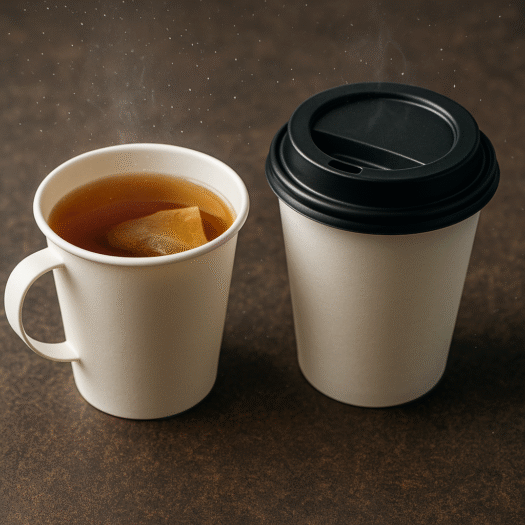
Packaging emerged as a critical factor. The authors highlight that higher temperatures increase microplastic release from packaging and that plastic packaging contributes to the contamination observed in beverages. In hot coffee served in disposable paper cups with polypropylene (PP) caps, PP microplastics predominated—strong evidence that cup materials are a primary source. Similar packaging-linked patterns appeared for iced products sold in PET bottles.
Çalışma, kirlenmeyi ölçmenin ötesinde, laboratuvar sonuçlarını Birleşik Krallık'taki yetişkinlerin günlük içecek tüketimine ilişkin bir anketle birleştirerek gerçekçi maruziyeti modellemektedir. Toplam içecek tüketimi yoluyla tahmin edilen günlük alım, erkekler ve kadınlar için sırasıyla günde vücut ağırlığının kilogramı başına ortalama 1,6-1,7 mikroplastik parçacıktır; bu rakam, yalnızca suya dayalı önceki tahminlerden önemli ölçüde daha yüksektir. Yazarlar, maruziyet değerlendirmelerinin yalnızca musluk suyu veya şişelenmiş suya odaklanmasının toplam alımı olduğundan düşük gösterdiği sonucuna varmışlardır çünkü diğer içecekler de önemli ölçüde katkıda bulunmaktadır.
Bu sonuçları bağlamsallaştıran araştırma ekibi, aynı grup tarafından daha önce yapılan çalışmada İngiltere'deki musluk ve şişelenmiş sularda genel olarak benzer mikroplastik seviyelerinin ölçüldüğüne dikkat çekerek, sıcak çay ve kahvede görülen daha yüksek sayıların ek bir maruz kalma yolunu temsil ettiğinin altını çiziyor. Makale ayrıca, çay poşetlerinden salınan parçacıklardan alkolsüz içeceklerdeki parçacıklara kadar ambalajlama ve kullanımın tekrar eden faktörler olduğunu gösteren birçok ülkeden elde edilen kanıtları sentezlerken, tek bir pazardan çok çeşitli sıcak ve soğuk içeceklerin test edilmesinin ve bu ölçümlerin tüketim verileriyle eşleştirilmesinin yeniliğini vurgulamaktadır.
Mechanistically, the findings are consistent: heat accelerates the transfer of particles from polymer-lined cups and lids, while materials such as PP, PET, polystyrene, polyethylene, and others appear across drink categories, mirroring common packaging choices. The authors cite previous studies that similarly link high temperature to increased microplastic release and demonstrate that both container material and product format (for example, single-use cups or PET bottles) shape the polymer “fingerprint” detected in the drink.
Public-health implications, while still being delineated by the broader scientific community, are clear enough to prompt the study’s call for more comprehensive risk assessments and policy responses. The authors characterise this work as a critical step toward understanding real-life exposure and urge regulators and industry to consider the combined effects of packaging materials, preparation conditions, and consumption habits when setting guidelines to limit human exposure.
The Birmingham team underscores limitations that likely make their exposure estimates conservative. Analytical methods in this study quantified particles ≥10 μm; smaller microplastics and nanoplastics—potentially more bioavailable—were outside detection limits. Nevertheless, with microplastics present across all categories tested and highest in hot beverages integral to daily routines, the evidence base now more firmly indicates that the act of making and serving hot drinks in common packaging can materially influence what ends up in the cup.
Hem tüketiciler hem de üreticiler için, çalışmanın çıkarımı pratiktir: malzemeler ve sıcaklık önemlidir. Politika yapıcılar için mesaj sistemiktir: sadece içme suyu üzerine inşa edilen maruziyet değerlendirmeleri, insanların gerçekte sıvıları tüketme şeklini yansıtmamaktadır. Yazarların da belirttiği gibi, etkili çevre ve halk sağlığı müdahalelerini desteklemek için daha doğru, kapsamlı ve gerçekçi maruziyet çalışmalarına ihtiyaç vardır.
Source: University of Birmingham, “Synthetic microplastics in hot and cold beverages from the UK market: Comprehensive assessment of human exposure via total beverage intake,” Science of the Total Environment 996 (2025) 180188.
The post British Study: Hot Drinks Contain the Highest Levels of Microplastics appeared first on Qahwa World.